saher ahmed
Menu
Close

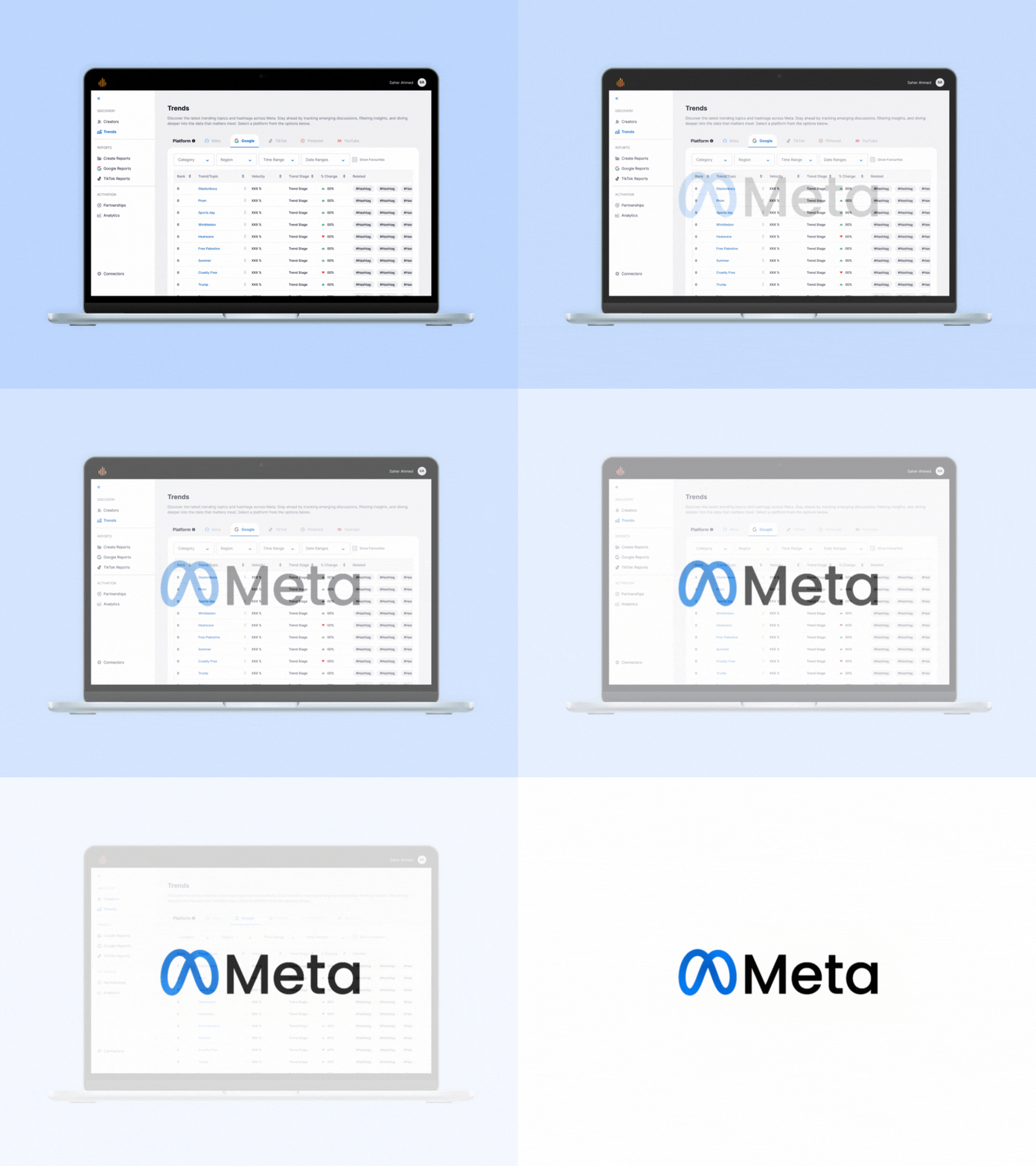
High-fidelity design of the unified trends dashboard.
BACKGROUND
PROBLEM: Solving Fragmented Cultural Insights
Social teams were required to monitor and aggregate data to spot emerging cultural signals. The core challenge wasn't just fragmented data, but the speed of decay of cultural signals. Strategists were consistently too slow to act, resulting in missed windows for millions in media spend. The high latency in the trend-to-campaign workflow made proactive media buying impossible.
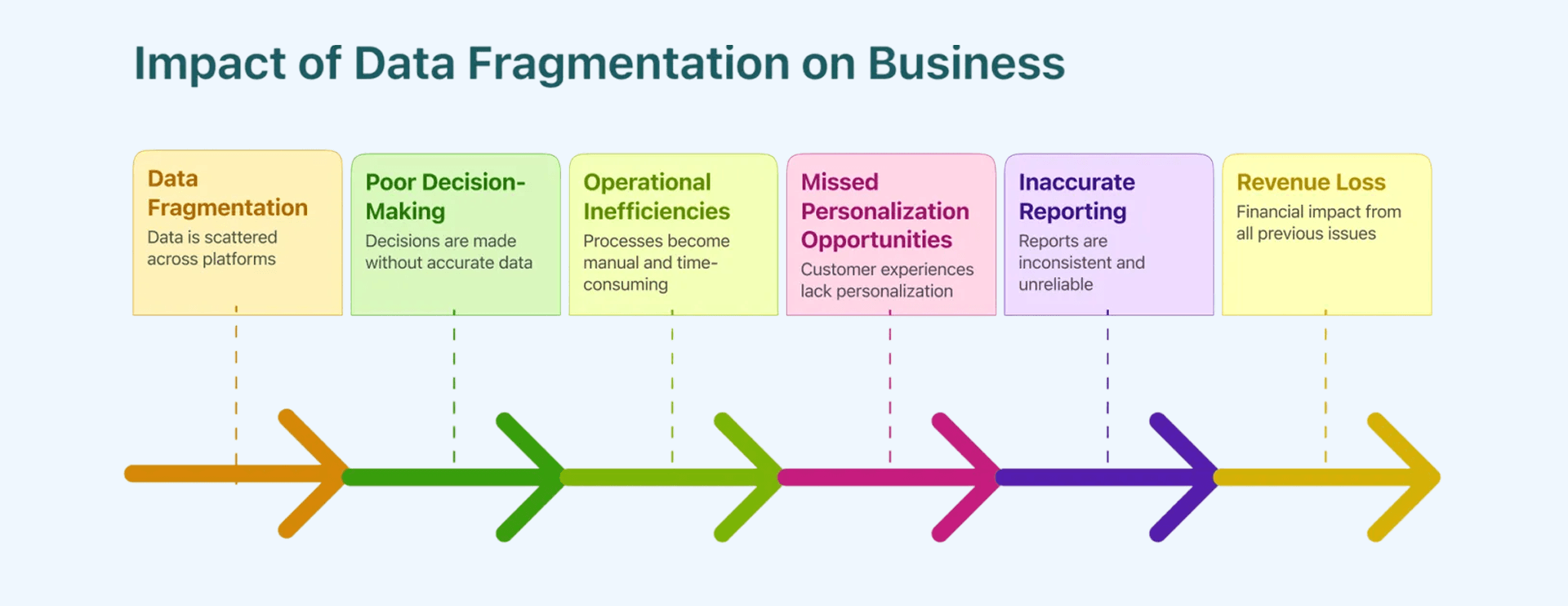
This visual captures the primary business problem: fragmented data workflows led to campaign launches occurring after a trend's peak velocity had decayed, resulting in wasted media spend and missed market opportunities.
UPDATED HYPOTHESIS
Trend to Creator, No Platform Switching
What if we could design a single, AI-first platform that combines real-time trend detection and validated creator insights into one workspace?
If so, teams could reduce the average time-to-action from days to hours, allowing campaigns to launch while the cultural signal is still at peak velocity.
Design Approach
Solution: Turning complex data into intuitive, actionable experiences
I led the end-to-end experience, defining workflows, dashboards and scoring systems that made complex cross-platform data accessible and actionable.
Visual dashboards track emerging topics, hashtags and formats with a velocity score showing momentum and recency.
Clustering algorithms surface high-growth creators with audience fit and relevance.
The design focused on clarity, usability and allowing teams to move seamlessly from insights to campaigns without leaving the platform.

Flow 1: Ability to pull real-time, relevant signals from external data sources and standardise them within the platform interface, ensuring all strategic planning starts from a unified, reliable foundation.


Reflection
Lessons learned by designing clarity into complex dashboards
This project reinforced the value of taking ownership and iterating on loosely defined concepts. It taught me how to translate raw data into actionable design, align with business goals and create intuitive experiences that simplify complex workflows. Finally, I learned that clarity, simplicity and a strong workflow are just as important as visual polish when designing data-heavy products.
Note: This case study is under NDA and cannot be fully shared as the product has not yet launched. All details presented here are high-level summaries of the project scope, approach, and impact, focusing on my design contributions and process rather than proprietary features or confidential data.